


Embracing the Beauty and Benefits of Protective Hair Braiding Styles
- habraiding

- Jul 29, 2024
- 3 min read
Hair braiding is more than just a method of styling; it is a cultural art form that has been passed down through generations. Protective hair braiding styles, in particular, offer a blend of aesthetic appeal and practical benefits, making them a popular choice for individuals seeking to maintain the health and integrity of their hair. This draft explores the various protective braiding styles, their benefits, and tips for maintaining them.
The Essence of Protective Hair Braiding Styles
Protective braiding styles are designed to shield the hair from environmental damage, reduce breakage, and promote growth by minimizing manipulation and exposure to harsh elements. These styles typically involve tucking the ends of the hair away, which helps in retaining moisture and reducing the risk of split ends. Here are some popular protective braiding styles:
1. Box Braids
Box braids are a classic and versatile protective style. They involve sectioning the hair into small, square-shaped parts and braiding each section from the root to the tip. Box braids can be worn in various lengths and thicknesses, and they offer endless styling possibilities, from ponytails to buns.
2. Cornrows
Cornrows are another timeless protective style that involves braiding the hair close to the scalp in a continuous, raised row. This style can be simple or intricate, with patterns ranging from straight lines to geometric designs. Cornrows are not only stylish but also practical, as they can last for several weeks with proper care.
3.Senegalese Twists
Senegalese twists, also known as rope twists, are created by twisting two strands of hair around each other. This style is known for its sleek and elegant appearance. It can be done using natural hair or with the addition of synthetic hair for extra length and volume.
4. Fulani Braids
Fulani braids are more than just a fashionable look; they carry cultural significance. They are often worn during ceremonies, celebrations or important life events, symbolizing a connection to Fulani heritage and identity. The style is celebrated for its elegance and complexity, reflecting the artistry and traditions of the Fulani people.
Benefits of Protective Braiding Styles
Protective braiding styles offer numerous benefits that go beyond their visual appeal:
1. Hair Growth
By reducing the frequency of styling and manipulation, protective styles allow the hair to grow with minimal breakage. The hair is less likely to be damaged by daily wear and tear, leading to healthier, longer strands over time.
2. Moisture Retention
Braiding helps to lock in moisture, which is essential for maintaining the health of natural hair. The ends of the hair are tucked away, preventing them from becoming dry and brittle.
3. Versatility
Protective braiding styles are incredibly versatile. They can be worn in various lengths, thicknesses, and patterns, allowing for endless creativity. Additionally, they can be accessorized with beads, cuffs, and other adornments to enhance their beauty.
4. Low Maintenance
Once installed, protective braiding styles require minimal daily maintenance. This makes them an excellent option for individuals with busy lifestyles or those who prefer low-maintenance hair care routines.
Tips for Maintaining Protective Braiding Styles
To ensure that protective braiding styles remain in good condition and continue to benefit the hair, it is important to follow a few key maintenance tips:
1. Keep the Scalp Clean
Regularly cleanse the scalp to prevent buildup of dirt and oils. Use a gentle, sulfate-free shampoo and focus on the scalp rather than the braids themselves.
2. Moisturize Regularly
Even with protective styles, it is crucial to keep the hair and scalp moisturized. Use a lightweight leave-in conditioner or a moisturizing spray to keep the hair hydrated.
3. Protect at Night
Wear a satin or silk scarf or bonnet to bed to reduce friction and prevent frizz. This will help maintain the integrity of the braids and keep them looking fresh for longer.
4. Avoid Excessive Tension
Ensure that the braids are not installed too tightly, as excessive tension can lead to hair breakage and damage to the scalp. If you experience discomfort or pain, it is important to address it promptly.
Photos of the Most Popular Protective Hair Styles

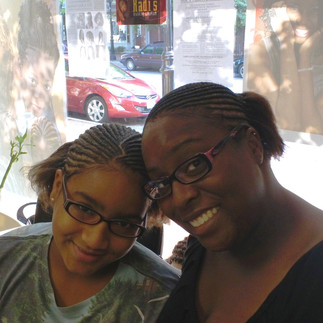




We would love to hear your experience in the comments box below.
And stay tuned for our next post!


Comments